Introduction #
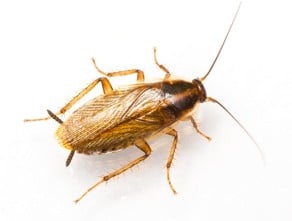
German cockroaches (Blattella germanica) are small, fast-reproducing indoor roaches found most often in kitchens, bathrooms, and areas with consistent moisture and heat.
Identification #
Adults measure ½–⅝ inch long, with a light tan to light brown coloration. One of the key identifying features is the pair of dark, parallel “racing stripes” on the pronotum. Adults have fully developed wings extending beyond the abdomen, but they do not fly.
German cockroaches prefer environments that provide humidity, warmth, food, and water. They are mainly active at night, and daytime sightings often indicate severe infestation or overcrowded harborage areas.
All life stages—egg, nymph, and adult—tend to cluster in the same tight cracks and crevices. Although they aggregate, they are not social insects. Their tendency to hide deep in narrow spaces is known as cryptophagy. They are also coprophagic, feeding on fecal matter, and cannibalistic, particularly under stress.
 ¾ view of German cockroach
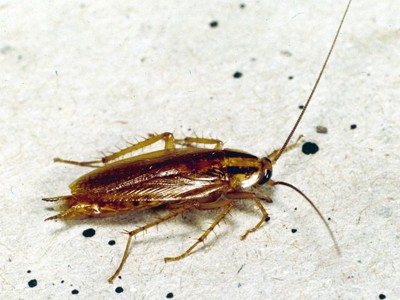 Overhead view of adult on a countertop
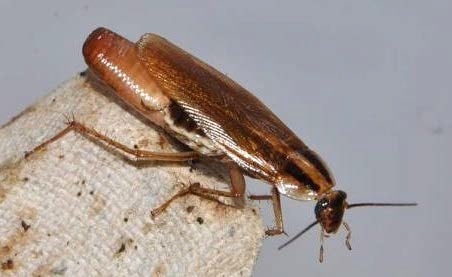 Adult female carrying ootheca
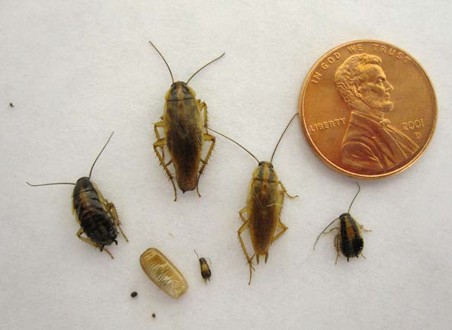 Life stages next to a penny for scale
Biology #
German cockroaches reproduce rapidly and thrive in protected indoor environments. Females carry the ootheca (egg case) until just before hatching, keeping developing nymphs safely within the harborage. Immediately after dropping the ootheca, the female will engorge herself on available food.
Early-stage nymphs (first and second instars) generally remain inside harborage and feed on fecal matter, cast skins, dead insects, and regurgitated materials. Older nymphs and adults forage more regularly, leaving harborages to seek food.
Because gravid females and young nymphs remain deeply hidden, direct-contact treatments alone—such as liquids or dusts—may not reach them. Roach behavior makes integrated approaches (e.g., baits + dusts + sanitation) far more effective than single-method treatments.
- Adult female carrying ootheca
- Life stages next to a penny for scale
Behavior #
German cockroaches exhibit several behaviors that strongly influence the selection and success of treatment methods.
They show strong aggregation behavior, clustering tightly within narrow cracks, crevices, and voids. This behavior—known as cryptophagy—allows them to remain deeply hidden and protected. German cockroaches also display coprophagy (feeding on fecal matter) and cannibalism, especially during high-density conditions or when food is scarce. These behaviors help larvae and newly emerged nymphs obtain nutrients within the harborage and significantly affect how baits spread through a population.
German cockroaches are predominantly nocturnal. They leave harborages primarily at night to forage, and daytime sightings often indicate that the infestation is large enough that food, space, or moisture within the harborages is insufficient.
- Understanding these behavioral traits is critical, as they determine:
- How secondary kill occurs through fecal transfer and cannibalism
- Where baits should be placed
- Why certain treatments fail to reach hidden life stages
- Why crack-and-crevice treatments and dust applications are so effective
Health Risks & Contamination #
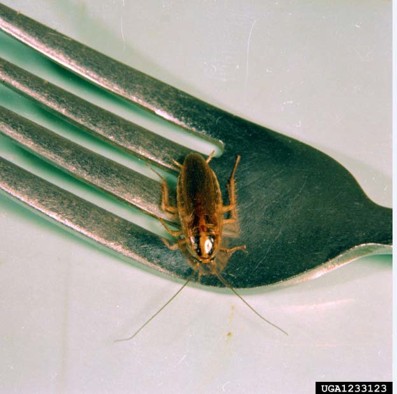
illustrating contamination risk on
food-contact surfaces
German cockroaches contaminate food, food-contact surfaces, utensils, and storage areas through feces, cast skins, regurgitated materials, and defensive secretions. These contaminants can introduce or spread pathogenic microorganisms, creating significant health risks in both residential and commercial environments.
Roach allergens, found in airborne particulates and settled dust, are known triggers of asthma and severe allergic reactions in children. Because allergens persist even after populations decline, proper sanitation—including vacuuming with HEPA filtration—is critical for reducing residual allergen load.
Non-Chemical Preparation #
Non-chemical controls are the first and most critical step in preventing and eliminating German cockroach infestations. Proper preparation dramatically increases the effectiveness of chemical and bait applications and must be completed before treatment begins.
Essential non-chemical practices include:
- Storing food in cockroach-proof containers
- Emptying trash frequently
- Picking up pet food and not leaving it out overnight
- Reducing accessible food sources
- Eliminating clutter and unnecessary stored items
- Removing stockpiled plastic shopping bags and paper bags
- Reducing harborage areas through cleaning and organization
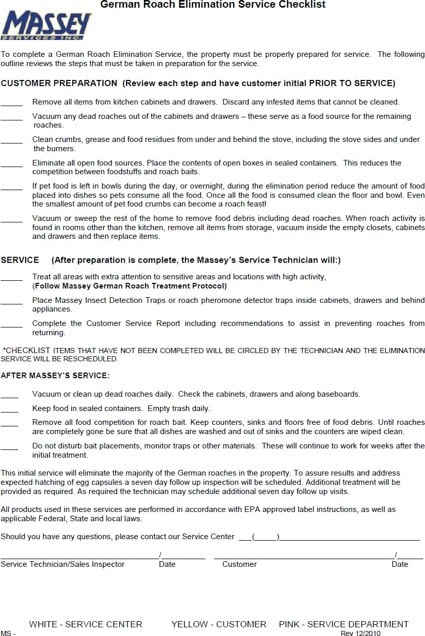
For homes or businesses with heavy German cockroach populations, customers must complete the required preparation steps outlined in the German Roach Elimination Service Checklist. Technicians must thoroughly review this checklist with the homeowner or responsible party before treatment is scheduled.
Technicians must not begin treatment until all checklist preparation steps have been completed. Skipping oInitr rushing this step will result in reduced treatment effectiveness and prolonged infestations.
Initial Treatment Methods #
Effective German cockroach cleanouts rely on a strategic combination of flushing, vacuuming, dust applications, and liquid residual treatments. Each tool plays a different role, and using them together maximizes removal, secondary kill, and long-term population decline.
This section outlines each treatment method in the order it is typically applied.
Flushing Agents (PI Contact Aerosol) #
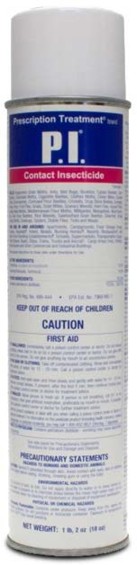
Flushing agents, such as PI Contact Insecticide, are used to drive German cockroaches out of tight harborages and expose them to other control methods. Flushing:
- Forces roaches from cracks, crevices, voids, and appliances
- Reveals hidden populations
- Allows for immediate vacuum removal
- Helps identify active harborage areas
When applying PI:
- Use short 1–2 second bursts directly into harborages
- Inject into cracks, crevices, voids, and behind appliances
- Understand that PI has no residual effect—it only kills on direct contact
- Do not use PI on varnished or stained cabinets, as it may damage surfaces
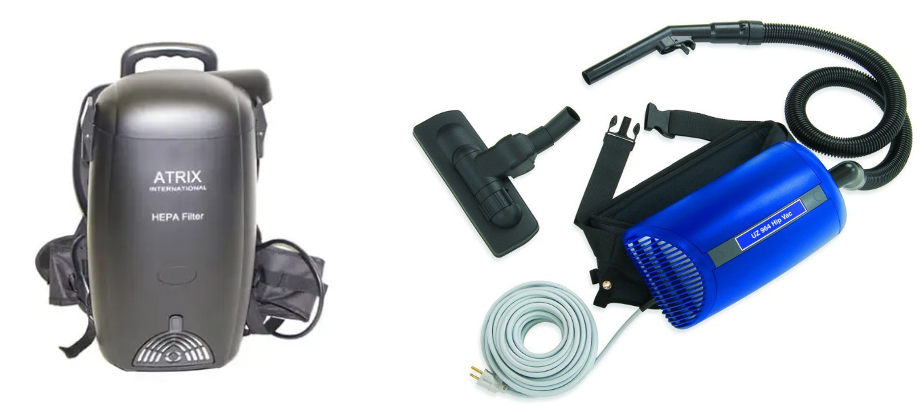
- Always use PI in conjunction with a HEPA-filtered vacuum
HEPA Vacuuming #
A HEPA-filtered vacuum is essential during cleanouts, especially after flushing. Vacuuming:
- Immediately removes roaches forced from harborages
- Eliminates live and dead roaches, egg cases, cast skins, and food debris
- Creates a dramatic, immediate reduction in population
- Helps prepare surfaces for dusts, liquids, and baits
- Increases the impact of all subsequent pest prevention measures
- Gives customers an immediate sense of progress and improvement
Dust Applications #
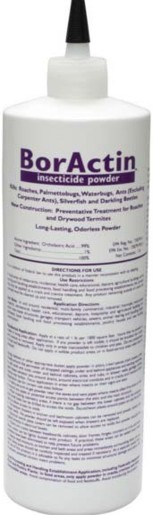
Dust formulations are used in areas where liquid residuals are not appropriate or cannot penetrate effectively. Dusts are:
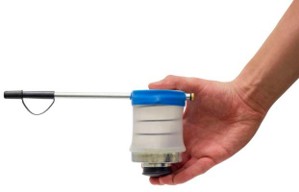
- Applied lightly into voids, wall cavities, behind built-in cabinets, under floors, and in inaccessible cracks
- Long-lasting
- Highly effective against gravid females, which often remain deep in harborages
- Often act as both a stomach poison and a desiccant
- Picked up on the roach’s cuticle, then ingested during grooming
- Capable of penetrating deep harborages to reach inactive or hidden roaches
Liquid Residuals #
Liquid residual insecticides are essential for crack-and-crevice treatment during a cleanout. Liquid residuals:
- Must be selected based on the Material Rotation Chart
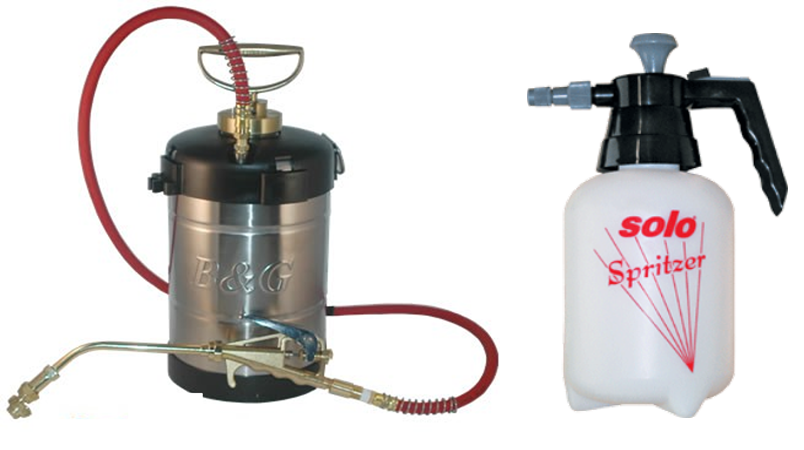
- Are applied using a small, compressed air sprayer
- Should be used as:
- Crack & crevice treatments
- Spot treatments
- Must not be used as broad area treatments
- Can be used in conjunction with other control methods
- Must never be applied in areas where bait has been placed (except Phantom, which is compatible with bait)
- Will repel cockroaches away from bait if applied near bait placements
Why Dusts and Liquids Alone Are Not Enough #
Dusts and liquids primarily work through direct contact, which makes them ineffective as standalone treatments for German roaches. Because early instars and gravid females remain deeply hidden within harborages, they may never encounter liquid residuals or dust applications.
For this reason:
- Direct-contact treatments alone cannot eliminate the infestation
- Roach biology and behavior must be used to your advantage
- Hidden roaches must be exposed to active ingredients indirectly, through:
- Feces
- Regurgitated material
- Feeding on affected roaches
This process is known as secondary kill and is most effectively achieved using baits.
Treatment Schedule Reference #
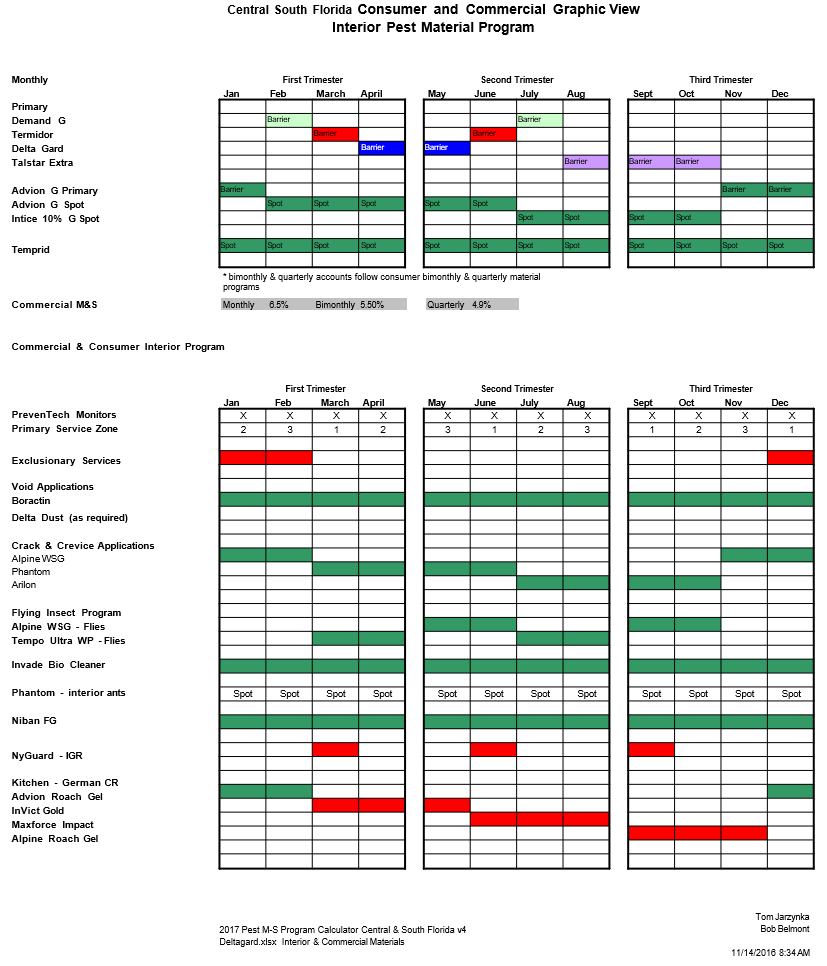
Some training materials include reference charts showing the treatment schedule by trimester, including product types and timing. These visuals reinforce rotation and seasonal application planning.
Baits & Bait Strategy #
Baits are central to effective German cockroach control because they exploit the biology and behavior of the species—especially the tendency for nymphs and gravid females to remain deeply hidden within harborages. Baits deliver active ingredients into these areas through secondary transfer, allowing the technician to reach individuals that do not forage or come into direct contact with dusts or liquids.
Baits contain a combination of feeding attractants or stimulants and an active ingredient. When a roach ingests bait:
- Not all of the active ingredient is absorbed
- Some is excreted in feces
- In some cases, the roach regurgitates before dying, leaving additional contaminated material
- Dead insects also contain active ingredient residue
Other roaches then feed on:
- Contaminated feces
- Regurgitated material
- Dead conspecifics
This results in secondary kill, which is essential for successful elimination of deeply hidden population segments.
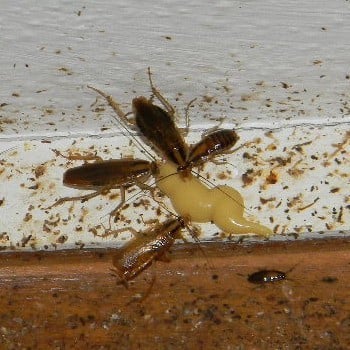 Roaches feeding on product on an infested surface
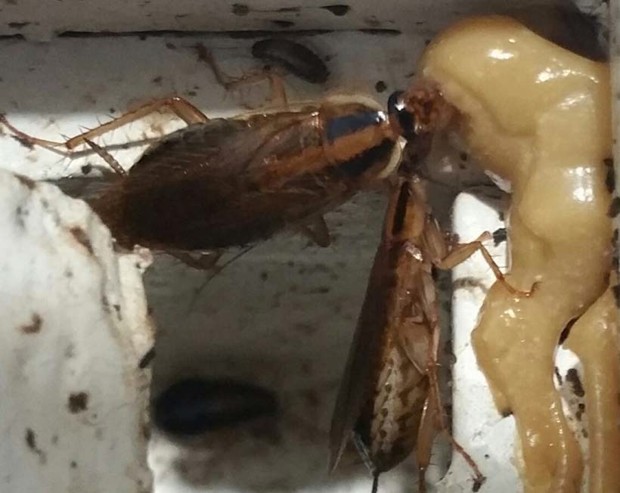 Roaches crossing a gap to feed on bait
Understanding How Far Roaches Will Travel for Bait #
German cockroaches will travel approximately 10–12 feet to access a food source. This movement range is critical for bait placement because it determines how densely bait must be applied to ensure that all roaches within a unit or room can access it.
When placing baits:
- Apply inside cracks and crevices, behind kitchen appliances, under sinks, in cabinet interiors, and in other known harborage areas
- Do not apply bait in open areas where people or pets could come into contact with it
- Never apply liquid residuals in areas where bait is placed
- Except Phantom, which is compatible and will not repel roaches from bait
- Keep bait placements protected from disturbance whenever possible
Resistance & Bait Aversion #
Product rotation is essential for maintaining long-term control of German cockroach populations. Continuous or repeated exposure to the same active ingredients or bait formulations can lead to resistance or bait aversion, resulting in reduced effectiveness over time. Following Massey’s rotation protocols helps ensure that treatments remain effective and that populations do not adapt to the products being used.
Why Product Rotation Matters #
Product rotation decreases the likelihood of:
- Resistance — reduced susceptibility to an active ingredient
- Bait Aversion — a behavioral avoidance of bait food ingredients
Rotating liquid residuals and bait formulations keeps treatments effective and prevents the population from adapting to a single product, ingredient, or chemical class.
What Is Resistance? #
Resistance is a change in the susceptibility of a pest population to an active ingredient or pesticide class. Resistance results in the failure of an otherwise correct application to control the population.
Two main factors drive resistance:
- Genetics — individuals with natural tolerance survive and reproduce
- Intensive or continuous use of the same product or product class
Resistance may develop to a specific active ingredient, but more commonly, cockroaches develop resistance to entire classes of insecticides that share the same mode of action, even if the active ingredients differ.
Types of Insecticide Resistance #
German cockroaches can develop several types of resistance, each affecting treatment success differently.
- Metabolic Resistance
- Most common form
- Roaches detoxify or break down the active ingredient before it reaches the target site
- Often involves increased enzyme activity
- Active ingredient may bind to proteins or be neutralized before it can affect the insect
- Altered Target Site Resistance
- Second most common
- The site where the active ingredient binds becomes modified
- Reduced binding = reduced effectiveness
- Common with certain pyrethroids and other classes
- Behavioral Resistance
- Roaches detect and avoid treated areas
- May avoid surfaces treated with liquid residuals or dusts
- Often linked to overuse of repellents or poorly placed treatments
- Penetration Resistance
- Roaches absorb toxins more slowly than susceptible individuals
- The cuticle develops barriers that slow active ingredient absorption
- Allows more time for detoxification before lethal effect occurs
Bait Aversion #
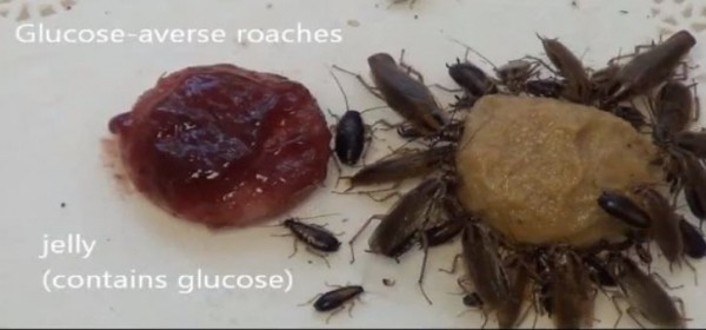
Bait aversion is not resistance to the active ingredient — it is a behavioral response to the bait’s food component.
Roaches with bait aversion:
- Avoid certain food attractants in bait
- Refuse to consume bait they previously would have eaten
- Do not ingest the active ingredient
- May have learned or inherited avoidance traits
Some populations have been shown to develop an aversion to glucose, a common bait ingredient. In these cases:
- Roaches avoid glucose-containing bait altogether
- They may feed on alternative materials but leave the bait untouched
- This results in treatment failure even though the active ingredient is effective
Research suggests that roaches may associate the smell of the offending ingredient (e.g., glucose) with an adverse experience, reinforcing avoidance.
Product Rotation (Liquids & Baits) #
Consistent product rotation is one of the most effective ways to prevent both resistance and bait aversion in German cockroach populations. Massey follows a structured rotation schedule that ensures no active ingredient or bait formulation is used for too long, reducing selection pressure on the population and maintaining long-term treatment effectiveness.
Rotation applies to liquid residuals and gel baits, and each category follows its own schedule and ingredient cycle.
Liquid Residual Rotation #
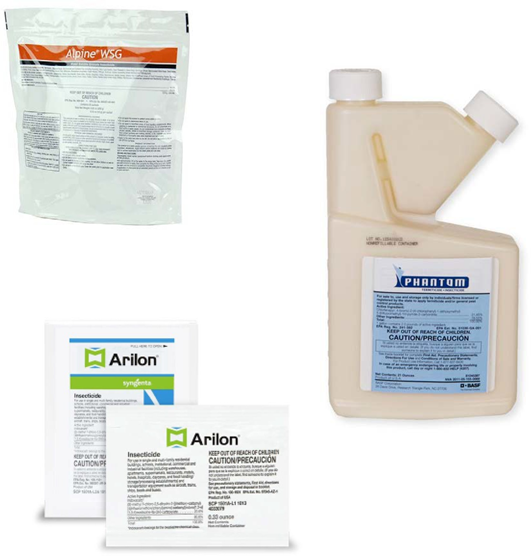
Massey uses three liquid residual products, each with a different:
- Active ingredient
- Chemical class / mode of action
- Effect on cockroach physiology
These liquid residuals are rotated every four (4) months to avoid overuse of any one chemical class.
Rotation is critical because:
- It prevents roaches from adapting to a single mode of action
- It maintains chemical diversity in treatments
- It reduces long-term selection pressure
- It supports the success of baits and other supplemental methods
Bait Rotation #
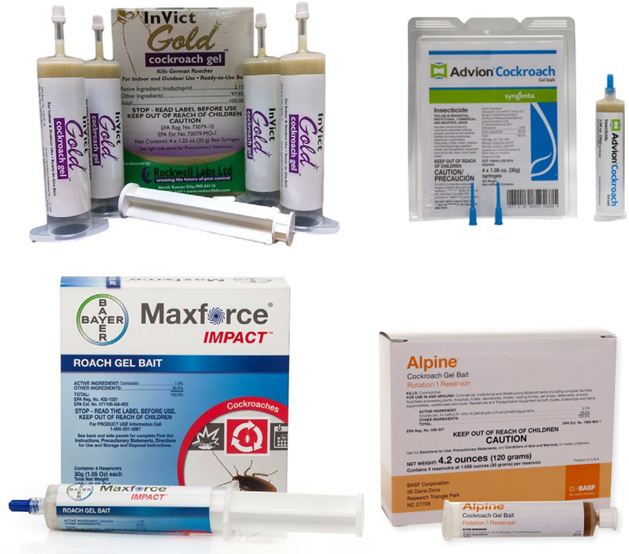
Massey rotates four separate baits, each containing:
- A different active ingredient
- A different food attractant profile
- One of three different chemical classes / modes of action
Baits are rotated every three (3) months, which helps prevent bait aversion and maintains high palatability across diverse roach populations.
Bait rotation is essential because:
- Repeated exposure to a single bait type can trigger behavioral avoidance
- Changing bait formulations targets multiple feeding preferences
- Rotating food ingredients reduces the risk of glucose aversion or other attractant aversions
- Secondary kill depends on roaches consuming bait consistently
Each bait uses a different food base and ingredient profile, ensuring that at least one remains attractive even in selective or partially aversive populations.
Bait Application Guidelines #
Bait application must be precise, strategic, and tailored to German cockroach behavior. Proper bait placement ensures ingestion by both foraging adults and hidden nymphs, increasing the likelihood of secondary kill within deep harborages.
The quality of a bait application—placement size, number of placements, and placement location—is directly tied to treatment success.
Placement Technique & Amounts #
Technicians should use a bait gun to deliver consistent, pea-sized or BB-sized placements. Smaller placements provide more feeding opportunities across a wider area and minimize contamination risk.
In heavy infestations, larger placements may be temporarily required to reduce initial populations. These can be laminated inside folded wax paper “tacos,” based on research conducted at Virginia Tech by Dr. Nancy Hinkle.
Important: Ensure these are placed where children and pets cannot access them.
Proper technique includes:
- Applying multiple small placements rather than a few large ones
- Targeting likely harborage areas and active travel routes
- Ensuring bait is placed inside cracks, crevices, hinges, corners, and cabinet grooves
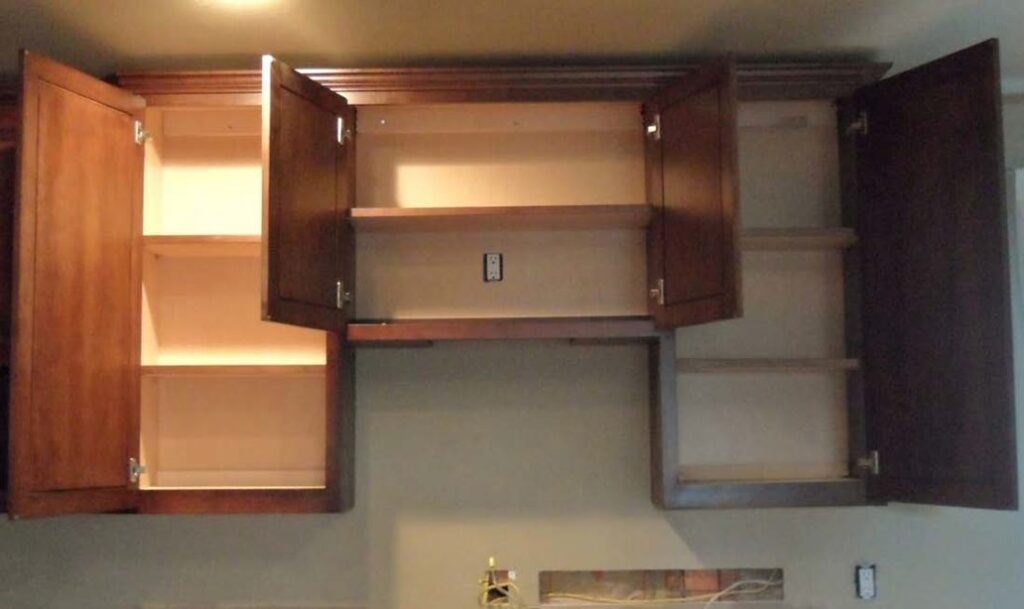
- Baiting 3-dimensionally:
- Up / Down
- Back / Front
- Into depth of cabinet voids
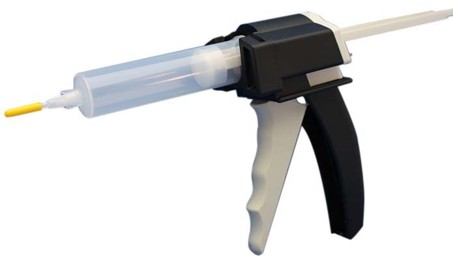 Gel bait applicator
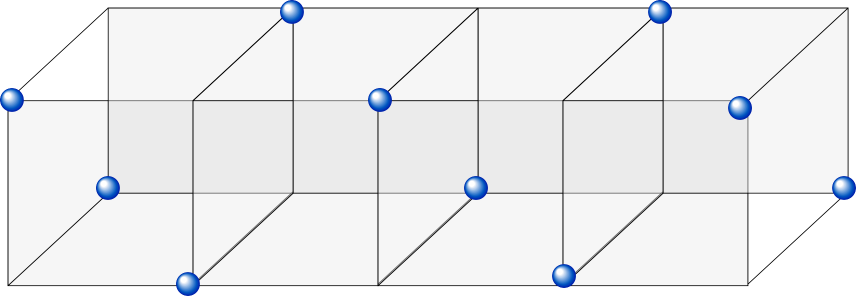 Diagram showing 3D bait placement in cabinet interior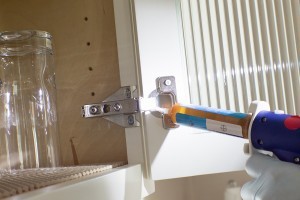
Where to Apply Bait #
Bait should be placed:
- Inside kitchen cabinets (especially upper corners and shelving grooves)
- Behind and under appliances (stove, refrigerator, dishwasher)
- Under sinks and in plumbing voids
- Inside cabinet hinges and cracks
- Along active travel routes and near droppings or cast skins
Do not place bait:
- In open areas accessible to pets or people
- On dusty or dirty surfaces (clean first if necessary)
- In locations where liquid residuals have been applied (except Phantom)
Insect Growth Regulators (IGRs) #
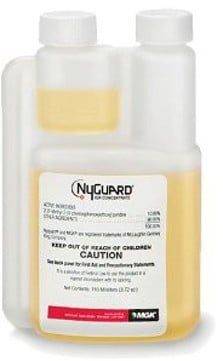
Insect Growth Regulators play an important role in long-term control, but they are not used during initial German cockroach cleanouts. IGRs do not kill roaches directly; instead, they disrupt development and reproduction. Their effectiveness depends on clean environments and lower roach densities, which is why timing is critical.
What IGRs Do #
IGRs are insect-specific, with very low toxicity to humans and non-target organisms. They work by:
- Preventing nymphs from successfully molting to the next stage
- Interrupting the development cycle
- Rendering adults biologically unable to reproduce
Because IGRs do not directly kill roaches, they are mixed with a residual product during maintenance applications.
Why IGRs Are Not Used in Initial Cleanouts #
IGRs must not be used during the initial cleanout phase of a German roach treatment. This is because:
- NyGuard remains active for months
- It must be applied to clean surfaces to remain effective
- During a cleanout, surfaces are contaminated with:
- Roach feces
- Cast skins
- Food debris
- Body fragments
- Applying IGRs too early results in wasted product, as debris absorbs or prevents proper uptake
For these reasons:
- IGRs are applied only after the population is significantly reduced
- After the cleanout phase, IGRs are used three (3) times per year in areas with known German roach risk or history
How NyGuard Alters Cockroach Biology & Behavior #
NyGuard directly affects the cockroach life cycle:
Biological Effects
- Adults exposed to NyGuard cannot reproduce
- Nymphs exposed to IGRs cannot molt properly
- Interruption of molting prevents the completion of the life cycle
Behavioral Effects
As NyGuard takes effect, exposed roaches:
- Move out into the open more frequently
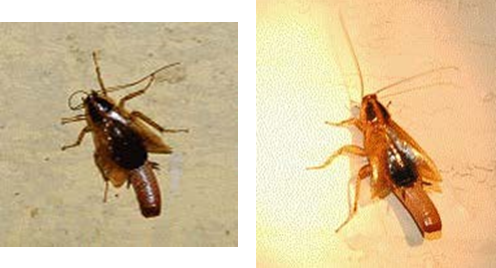
- Display twisted or malformed wings, especially when attempting to reproduce or molt
- Are unable to return to harborages due to deformities, making them more visible before death
Exclusion Techniques #
Exclusion is a critical component of long-term German cockroach control. After populations are significantly reduced and active harborages have been treated, sealing structural gaps prevents re-infestation, eliminates new hiding places, and greatly enhances the effectiveness of maintenance treatments.
Before sealing any crack, crevice, or void, technicians should apply dust (where appropriate) inside the space. Dusting prior to sealing ensures that any remaining roaches—or future invaders—come into contact with a long-lasting active ingredient.
Exclusion targets include:
- Cracks and gaps along baseboards
- Wall voids around plumbing penetrations
- Openings between built-in cabinets and adjacent walls or floors
- Voids under windowsills
- Any crack, crevice, or opening large enough to harbor roaches
Sealing these structural gaps forces roaches to remain in exposed areas where baits, dusts, and residuals are more effective, and eliminates additional harborage opportunities.
Monitoring #
Monitoring is essential for identifying active harborages, measuring treatment effectiveness, and determining when roach populations have been eliminated or require additional intervention. Proper monitoring also helps technicians adjust bait placement, identify new activity zones, and confirm customer compliance with sanitation recommendations.
Effective monitoring captures roaches at all life stages and provides technicians with reliable information for follow-up treatments.
Monitoring tools include: #
- Massey Insect Detection Trap
- Contains a strip of molasses designed to attract all stages of German cockroaches
- Victor Roach Pheromone Trap
- Contains the German cockroach aggregation pheromone, making it highly effective at drawing roaches from harborages
Why Monitoring Matters #
Monitoring:
- Captures insects and shows where pockets of activity are concentrated
- Indicates how well treatments are working
- Helps identify sanitation issues or untreated harborages
- Guides technician placement of bait and residuals during follow-ups
Placement Guidance #
Traps should be placed:
- Behind the stove
- Behind the refrigerator
- Under the kitchen sink
- Inside cabinets where activity was observed
- Anywhere active roaches were previously detected
Traps must be checked weekly, replaced as needed, and used consistently until the infestation is fully eliminated.
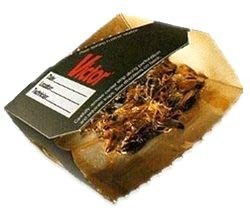 Victor Roach Pheromone Trap filled with roaches
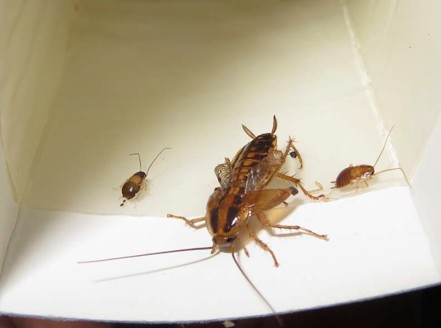 Close-up of adult and nymph roaches inside a Massey detection trap
Follow-Up Protocol #
Follow-up visits are critical to the success of a German cockroach elimination program. Because these infestations often involve multiple life stages hidden deep within harborages, a single treatment cannot eliminate the entire population. Scheduled follow-ups allow the technician to identify new activity, reapply bait where needed, and confirm progress toward full elimination.
Timing #
A seven (7) day follow-up must be scheduled after the initial cleanout. This interval is essential because:
- Newly hatched nymphs may emerge from oothecae
- Older nymphs and adults may move into new areas
- Bait placements may have been consumed
- Activity zones may shift as populations decrease
Customer Interview #
Upon returning for the follow-up, the technician should interview the customer to determine:
- Any areas where roaches were recently seen
- Any areas where activity has increased
- Compliance with sanitation and preparation requirements
- Whether any new moisture or food availability issues have appeared
Customer feedback helps identify hidden harborages and adjust bait placement accordingly.
Inspection & Bait Reapplication #
During the follow-up, technicians should:
- Inspect all previously active areas
- Re-apply bait only where bait has been fully consumed
- Apply bait in any new areas where activity is observed
- Confirm that liquid residuals and dusts remain undisturbed and effective
This targeted reapplication helps sustain control and ensures that new or emerging roaches encounter active bait.
Ongoing Follow-Ups #
Set up another 7-day follow-up and continue the process of:
- Interview
- Inspect
- Reapply bait as needed
A German cockroach population is typically controlled within 3–4 visits, assuming proper preparation, sanitation, and treatment adherence.
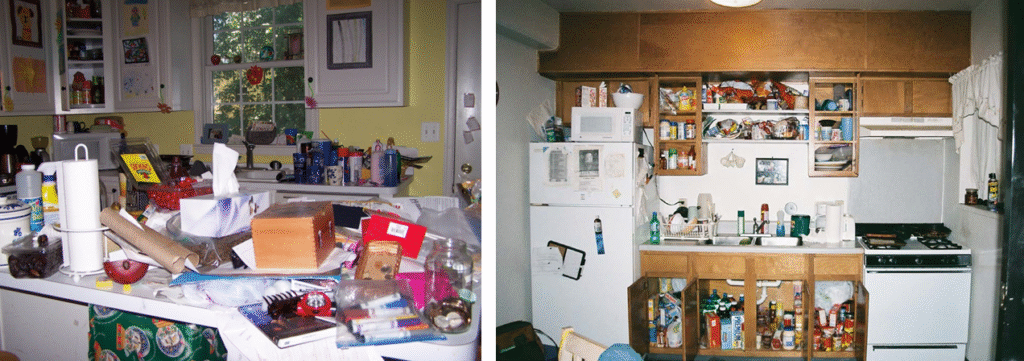
Environmental Suitability Examples #
Understanding whether an environment is conducive to German cockroach activity helps technicians identify risk levels, anticipate reinfestation potential, and guide customer education. Some conditions provide ideal harborage, food, and moisture, while others—though cluttered—may not support roach populations due to the absence of food debris and moisture sources.
Environments Highly Conducive to German Roaches #
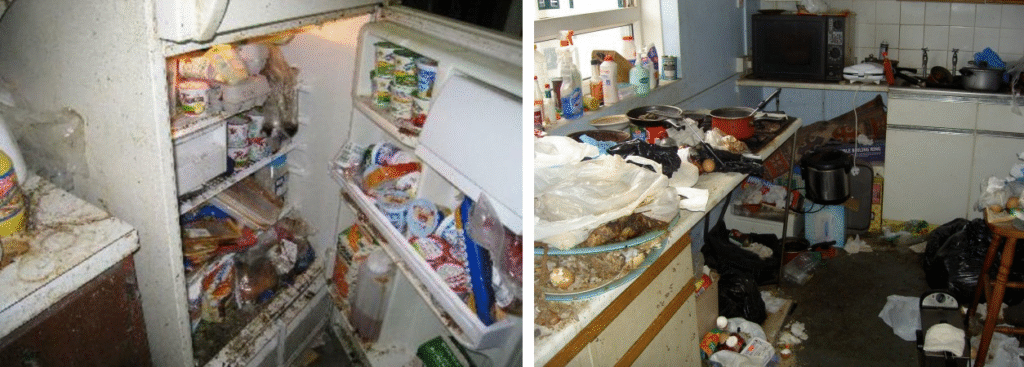
Certain environmental conditions strongly support the survival and reproduction of German cockroaches. These often include:
- Accumulated trash or spoiled food
- Dirty dishes left in sinks
- Food residue on counters and floors
- Overcrowded refrigerators with food spills
- Overall poor sanitation
These environments provide abundant food, moisture, and harborage opportunities, making them ideal for rapid infestation growth.
Environments That Look Cluttered but Are Not Necessarily Conducive #
Some environments appear cluttered, but lack the essential conditions German roaches require. These areas may have:
- Boxes, papers, or household storage clutter
- Minimal dust or debris
- No accessible food or spoiled materials
- Clean surfaces and sealed containers
While clutter can create potential harborages, these spaces do not provide food or moisture sources necessary for sustaining a German roach population.
However, they do have the potential to harbor roaches if conditions change or if food residue becomes available.