Overview #
Spider control focuses on reducing activity, limiting indoor entry, and managing web buildup through inspection, sanitation, physical removal, and targeted material applications. Spiders are beneficial predators outdoors, and the goal of treatment is reduction, not total elimination. Customers should be educated on realistic expectations and required maintenance between services.
Six-Step Spider Control Process #
Step 1: Inspection #
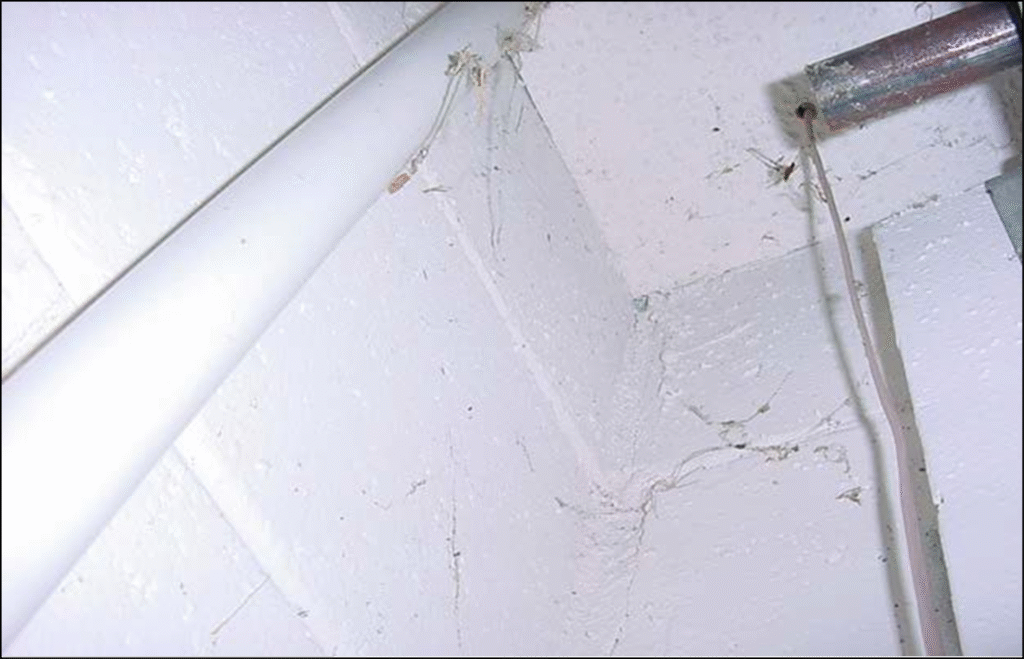
A thorough inspection of the property is necessary to identify:
- Active spider areas
- Web locations
- Harborage points
- Entry points around windows, doors, and screens
- Conditions attracting insects (their food source)
Inspection guides all subsequent steps.
Step 2: Identification #
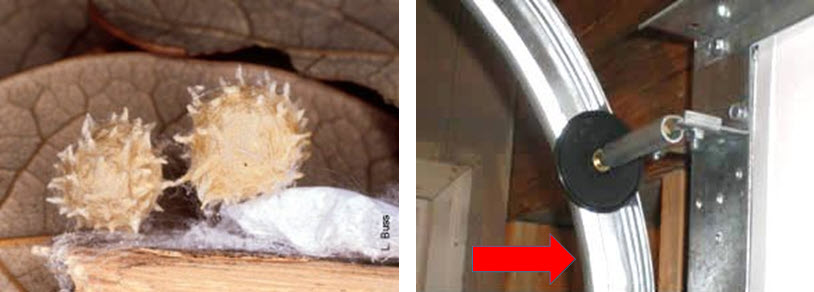
Accurate identification helps determine:
- Nesting sites
- Species behavior
- Whether spiders are indoor invaders or harmless outdoor web-builders
Different species require different approaches.
Step 3: Prevention #
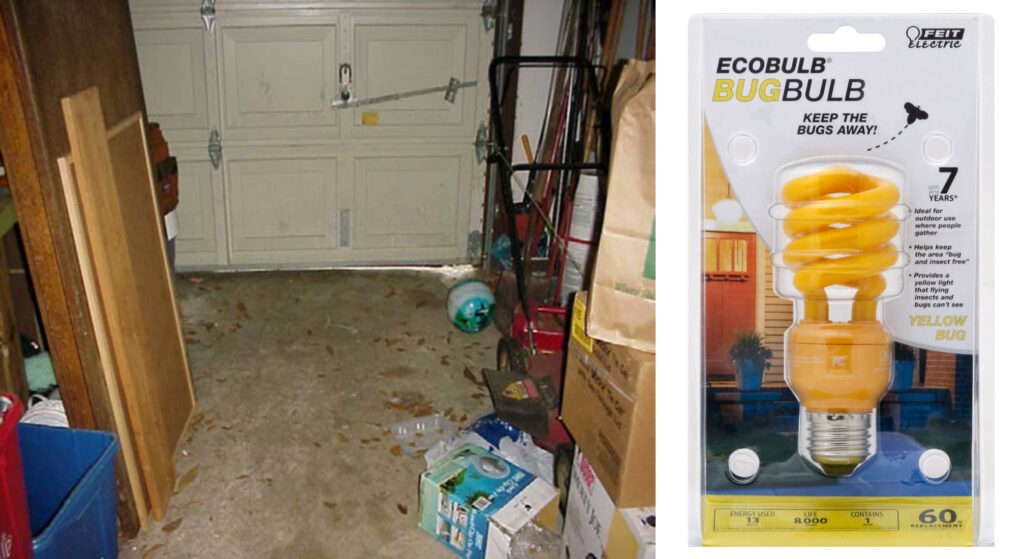
Preventative measures include:
- Ensuring the building is in good physical condition
- Verifying all areas are properly screened and sealed to reduce entry
- Recommending the use of yellow/amber exterior lighting (insects are less attracted to amber light)
- Addressing gaps, cracks, torn screens, or poorly sealed doors that allow spiders or their prey inside
Step 4: Sanitation #
Keeping the premises free of debris reduces hiding areas and the insect prey that attracts spiders.

Step 5: Mechanical Measures #

Mechanical removal is an essential part of spider control:
- Sweeping removes spider webs and egg cases
- Cleaning webs also removes dead insects caught inside, which would otherwise attract:
- Ants
- Predatory spiders
- Carpet beetles
- Mechanical web removal provides immediate visual improvement for the customer
Step 6: Material Application #
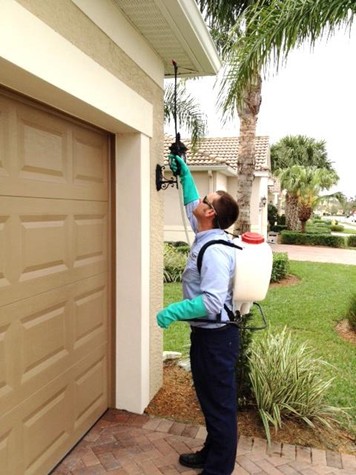
Apply approved material (Temprid) to spider locations:
- Primarily under eaves
- Around upper structural areas where spiders build webs
- On exterior surfaces as part of the regular Pest Prevention perimeter service
Web Removal and Customer Guarantees #
Communicating realistic expectations during Pest Prevention sales and initial treatments is critical. Outdoor spiders will always be present to some degree, especially in patios, lanais, and pool-screen enclosures.
Key points:
- If webs are easily reachable, clean them down
- If webs are difficult to reach:
- Clean under the roofed portion of the lanai
- Clean the perimeter of the screened pool area
- Do not attempt to clean all upper outdoor metal beams
- These spiders are harmless outdoor species
- Customers must understand that periodic cleaning of upper beams is their responsibility
Customer Education #
Setting correct expectations improves satisfaction and reduces callbacks.
Ongoing Spider Activity #
- There will almost always be minor spider activity between treatments
- Outdoor service reduces and limits indoor spider activity but does not eliminate outdoor populations
- Web buildup will continue outdoors until the next service, especially over pool enclosures
Spider Development #

- Most spiders molt once per month
- They take approximately three months to become adults
This helps explain why webs reappear even after a thorough cleaning.
When Customers See Adult Spiders Indoors #
A fully grown adult spider inside the home often indicates:
- A gap around a door
- A gap around a window
- A small entry point allowing outdoor spiders inside
Technicians should:
- Point out these gaps during service
- Document them clearly on the Service Report
- Recommend sealing or repair
Indoor Recommendations #
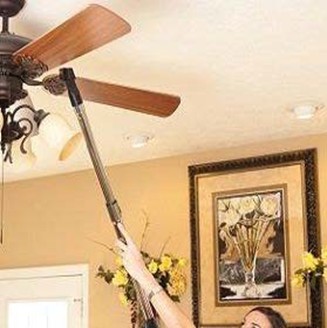
For occasional spiders indoors:
- Recommend regular vacuuming
- Use a wand attachment to remove single spiders on a weekly basis
- Encourage the customer to reduce clutter where spiders might hide
Technician Documentation #
During service:
- Always note heavy spider activity on Service Reports
- Document gap issues, harborage conditions, or areas requiring customer maintenance
- Reinforce expectations during every conversation about spider treatment
Main Takeaway #
Upon every Pest Prevention sale and initial spider treatment, technicians must clearly explain:
- Spider reduction, not complete elimination, is the goal
- Occasional spiders should be expected between treatments
- Outdoor spiders, especially those high above pool enclosures, will continue to build webs
- Customer participation (cleaning, vacuuming, sealing) is essential for long-term reduction